We’ve all had those moments. That unexpected job loss that felt like a direct result of a careless comment made years ago. A chance encounter with someone who profoundly changes your life’s direction. Or maybe you just feel, deep down, that certain events are simply destined to unfold. It leaves us wondering: is there some underlying force at play? Is it coincidence, fate, or something more?
Understanding the Core of Karma
The word ‘karma’ originates from Sanskrit and roughly translates to ‘action’ or ‘deed.’ It’s a central concept in several Eastern philosophies, most notably Hinduism and Buddhism. At its simplest, karma isn’t about divine punishment or reward; it’s a principle of cause and effect applied to our actions – both physical and mental. Every action creates an impression, a ripple that extends outward. These ripples eventually return, shaping our experiences.
Think of it like this: if you throw a stone into a pond, the impact creates waves. Those waves spread outwards, affecting everything in their path. Similarly, our actions – whether kind or unkind, thoughtful or impulsive – generate consequences that will inevitably influence our future. It’s not necessarily about instant retribution; sometimes, the effects are subtle and long-term.
Karma Across Cultures & Interpretations
While rooted in Eastern traditions, the idea of cause and effect resonates across cultures. Western concepts like ‘what goes around comes around’ or ‘you reap what you sow’ echo similar principles. In Buddhism, karma is a key element of understanding suffering and liberation. It emphasizes that our current circumstances are a result of past actions, but also highlights the power we have to shape our future through present choices.
It’s important to note that interpretations vary widely. Some believe in a strict karmic cycle spanning lifetimes, while others focus on the impact of karma within a single lifetime. The nuances are complex and often deeply personal. You’ll find different perspectives even within Buddhist traditions themselves, each with its own emphasis on intention, motivation, and the path to enlightenment.
Free Will vs. Determinism: Finding Balance
The concept of karma can understandably lead to questions about free will. If our future is shaped by past actions, do we truly have any control? This tension between determinism (the belief that all events are predetermined) and free will is a long-standing philosophical debate.
Most interpretations of karma don’t advocate for complete fatalism. They suggest that while past actions create tendencies and predispositions, we always possess the ability to choose how we respond to those circumstances. Our present choices become future karma. We can break negative cycles by consciously choosing kindness, compassion, and ethical behavior. It’s not about erasing the past; it’s about transforming its influence.
Consider this: a person who has experienced hardship might be predisposed to react defensively in new situations. However, they have the power to recognize that tendency and choose a more open and understanding response. That conscious choice creates new karma – one of resilience and growth.
The Power of Personal Responsibility
Ultimately, exploring the idea of karma encourages us to take responsibility for our actions and their consequences. It’s not about dwelling on past mistakes or assigning blame; it’s about cultivating awareness and making conscious choices in the present moment. It’s a framework for understanding how we can positively influence our lives and the world around us.
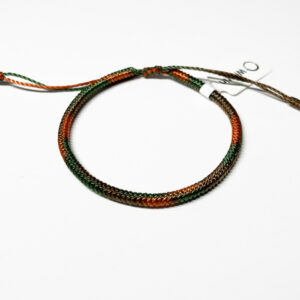
Wearing something that reminds you to be mindful of your actions, like a beautiful, handcrafted piece from Wristin, can serve as a subtle but powerful daily prompt. Many find solace and inspiration in the symbolism of traditional Tibetan designs; exploring these intricate patterns often leads to a deeper understanding of their cultural significance. If you’re drawn to meaningful adornment, consider browsing our collection of Tibetan bracelet options.
Creating Positive Change
Whether or not you subscribe to a specific belief system surrounding karma, the underlying principle – that actions have consequences – holds universal truth. By embracing personal responsibility and striving to act with kindness and intention, we can create positive change in our own lives and contribute to a more compassionate world. Perhaps finding a small ritual, like wearing a handmade Tibetan bracelets as a reminder of this commitment, can help solidify that intention.
The journey of self-discovery is ongoing, and the question of whether karma truly exists may remain open to interpretation. But regardless of your beliefs, the power of conscious action remains undeniable. And who knows? Maybe those unexpected consequences you’ve experienced weren’t just random occurrences after all – perhaps they were gentle nudges guiding you towards a more meaningful path.